
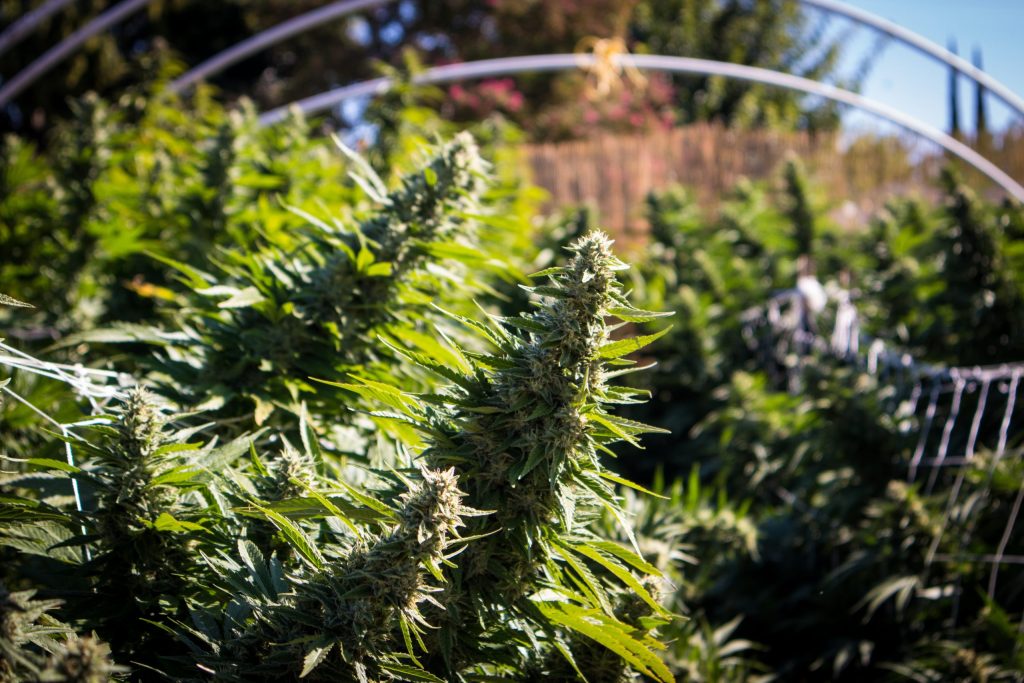
It’s becoming more popular to grow cannabis at home across Massachusetts, especially among adults looking for more control, customization, and connection to the plant. Whether you’re a curious first-time grower, a cost‑conscious consumer, or an experienced hobbyist, growing your own cannabis can be a rewarding experience—when done legally and responsibly. This guide explores the top reasons people choose to grow at home, along with helpful considerations, consumer‑reported benefits, and tips for cultivating your best personal harvest.
Top 10 Reasons to Grow Cannabis at Home in Massachusetts
Massachusetts allows adults to cultivate cannabis at home, and many consumers are discovering the rewards of growing for personal use. Below, we explore the most common motivations—supported by practical insights and responsible guidance.
-
You Gain Complete Control Over Quality
One of the leading reasons people choose home cultivation is the ability to oversee every step of the process. Consumers often appreciate knowing exactly how their cannabis was grown, including the nutrients, soil, environment, and care involved. This can be especially meaningful for those who value clean growing practices or want to experiment with organic methods.
Great for:
- First-time growers seeking transparency
- Intermediate consumers who prefer specific cultivation styles
- Advanced hobbyists exploring craft techniques
-
It Can Help Reduce Long-Term Cannabis Spending
Many Massachusetts consumers report that home cultivation helps them manage cannabis costs over time. While the startup investment for equipment can vary, the long-term cost per gram typically decreases after several harvest cycles. For the value-focused consumer, this predictability and savings potential can be a powerful motivator.
Factors that affect cost:
- Indoor vs. outdoor setups
- Equipment choices (lights, tents, ventilation)
- Energy use
- Nutrient and medium selections
-
Growing Deepens Your Understanding of the Plant
Cultivating cannabis is a hands-on learning journey. New growers quickly become familiar with plant biology, growth stages, nutrient needs, and environmental variables. Many enthusiasts say that horticultural education is one of the most rewarding aspects of growing.
Popular learning topics:
- Terpenes and aroma development
- How lighting impacts potency and growth
- Soil vs. hydroponics
- Harvest timing and curing
(Consider linking to your terpene guide or strain education page.)
-
You Can Explore Unique Genetics
Massachusetts consumers love exploring different strains—and growing at home opens the door to even more choices. Home growers can select genetics based on reported aromas, flavors, and effects described by other consumers.
Enthusiasts often explore:
- Rare or limited‑release strains
- Heirloom or landrace varieties
- Personal favorites grown year‑round
-
It Helps You Maintain a Predictable Personal Supply
For many adults, one of the most practical benefits of home cultivation is consistency. Growing your own allows you to maintain a harvest cycle that meets your personal needs, so you’re less dependent on product availability or seasonal changes.
-
You Can Customize Every Part of the Experience
From growing medium to curing times, home cultivation allows personalization at every level. Many consumers enjoy customizing:
- Nutrient choices
- Drying and curing techniques
- Aroma and flavor development
- Post-harvest storage
This is especially appealing to experienced enthusiasts who enjoy the craft aspect of cannabis.
-
It Encourages Sustainable and Eco‑Conscious Practices
Some growers choose home cultivation to reduce packaging waste or manage their environmental footprint. By reusing soil containers, selecting energy‑efficient lights, or growing outdoors seasonally, consumers can cultivate with sustainability in mind.
-
Growing Can Be a Relaxing Hobby
Many adults describe home cannabis cultivation as a soothing, grounding hobby. The act of nurturing plants, observing growth, and working with nature can feel meditative for some—similar to tending a vegetable garden.
-
It Allows for Experimentation and Skill-Building
For advanced growers, home cultivation becomes a craft. Experienced cultivators enjoy experimenting with:
- Training methods (LST, topping, SCROG)
- Environmental optimization
- Phenotype hunting
- Terpene expression
This level of experimentation can be deeply satisfying for the enthusiast cultivator who loves fine‑tuning variables.
-
It’s Legal in Massachusetts (When Done Properly)
Massachusetts Home Grow Laws: What You Need to Know
According to the Massachusetts Cannabis Control Commission (CCC), adults 21+ may legally grow cannabis at home under specific guidelines. Key legal requirements include:
- Up to 6 plants per adult, with a household maximum of 12
- Plants must be out of public view
- Plants must be secured and not accessible to minors
- Homegrown cannabis cannot be sold
- Personal possession limits apply
Consider reading the CCC legal guidelines for more information: 200825_Guidance_on_Home_Cultivation.pdf
Understanding these requirements helps ensure you cultivate responsibly and legally.
Indoor vs. Outdoor Growing in Massachusetts
Massachusetts growers enjoy both options, each with its own advantages:
Indoor Growing
- Year‑round cultivation
- Total environmental control
- Often preferred by beginners due to predictability
Outdoor Growing
- Lower startup costs
- Natural sunlight and airflow
- Best suited for growers with outdoor space
Blog: Indoor vs Outdoor Growing
Common Beginner Mistakes to Avoid
First-time growers often learn through trial and error. Common challenges include:
- Overwatering
- Choosing the wrong light intensity
- Harvesting too early
- Not providing enough airflow
Providing yourself with reliable resources—and patience—goes a long way.
Why Home Growers Still Visit Green Meadows
Even if you grow at home, dispensaries remain an important resource for:
- #1 Cannabis Clone distributers in Massachusetts
- Learning about new strains and terpene profiles
- Accessing growing supplies or inspiration
- Comparing aromas and textures
- Exploring products for times between harvests
Green Meadows supports education, community, and the joy of cultivating responsibly.
Conclusion
Growing cannabis at home in Massachusetts can be a fulfilling way to engage more deeply with the plant. Whether you’re motivated by cost savings, curiosity, or the craft of cultivation, home growing offers opportunities for learning, creativity, and personal satisfaction.
If you’re exploring strains, genetics, or inspiration, Green Meadows is here to support your journey with expertise and a community-centered approach.
A Beginner’s Guide to Planting Weed Clones • Green Meadows Blog
Troubleshooting Common Cannabis Clone Issues in MA • Green Meadows Blog
Nutrient Essentials for Healthy Cannabis Clones • Green Meadows Blog
FAQ Section
How many cannabis plants can I grow legally in Massachusetts?
Adults 21+ may grow up to 6 plants per person, with a household maximum of 12, as outlined by the Massachusetts Cannabis Control Commission.
Is it cheaper to grow cannabis at home?
Many consumers report cost savings over time, although startup expenses vary based on equipment, grow method, and scale.
Should beginners grow indoors or outdoors?
Indoor growing offers more environmental control, while outdoor growing can be more cost‑effective. The best choice depends on your space, goals, and comfort level.
What do I need to start growing cannabis at home?
Beginners typically start with seeds or clones, a grow light, a small tent or designated space, soil or another medium, and proper ventilation.
Can I sell cannabis that I grow at home?
No. Massachusetts law only allows home cultivation for personal use, and sale of unlicensed cannabis is prohibited.
Cannabis effects vary by individual. This content is for educational purposes only and does not provide medical advice. Always follow Massachusetts laws and consume responsibly.