
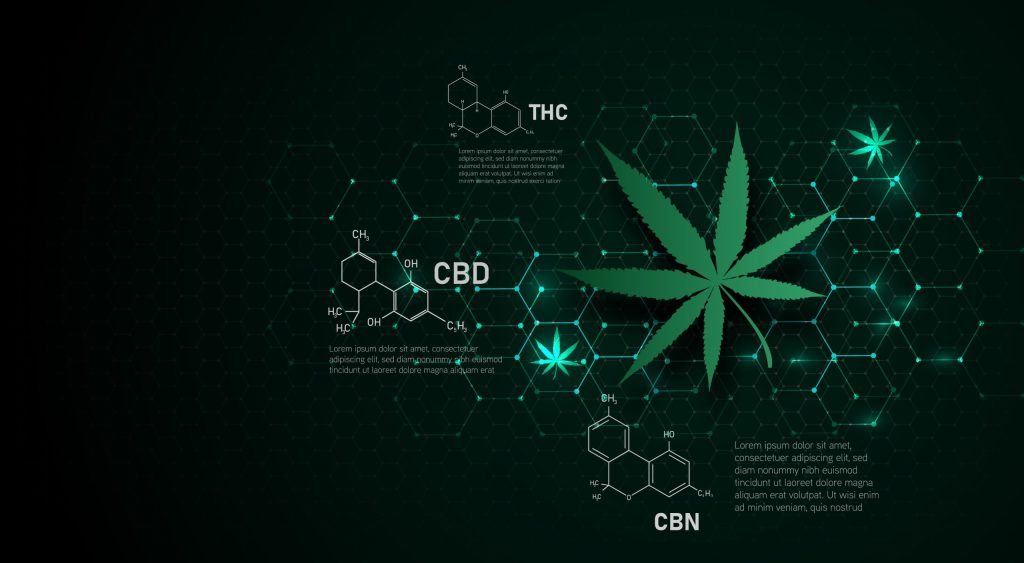
For years, THC percentage has been treated as the ultimate measure of cannabis quality. Higher THC, stronger effects—right? Not exactly. While THC plays an important role, many Massachusetts cannabis consumers are discovering that what matters more than THC in cannabis is the full picture: terpenes, cannabinoids, and how they interact together.
At Green Meadows Cannabis Dispensary, we believe cannabis education empowers better choices. This guide breaks down how cannabis effects actually work, explains the entourage effect, and shows why terpene profiles often matter more than chasing the highest THC number on the label.
THC: Important, But Not the Whole Experience
THC (tetrahydrocannabinol) is the cannabinoid most commonly associated with cannabis effects. It’s also the number that stands out most on Massachusetts cannabis labels, making it an easy comparison point for shoppers.
However, many consumers report that higher THC doesn’t always lead to stronger or more enjoyable effects. Some find that very high‑THC products feel overwhelming, short‑lived, or less balanced. This raises a common question: does higher THC mean stronger effects? For many people, the answer is “not necessarily.”
That’s because cannabis is a complex plant with hundreds of compounds working together.
How Cannabis Effects Actually Work
Cannabis effects are shaped by more than a single compound. When you consume cannabis, multiple elements influence your experience, including:
- Cannabinoids (like THC and CBD)
- Terpenes (aromatic compounds found in the plant)
- Minor cannabinoids and flavonoids
- Your individual tolerance, mood, and environment
This is why two products with identical THC percentages can feel very different. Understanding these layers helps explain full spectrum cannabis effects and why focusing solely on THC can be misleading.
What Are Cannabis Terpenes and What Do They Do?
Terpenes are naturally occurring compounds responsible for the aroma and flavor of cannabis. You’ll also find them in plants like citrus, pine, lavender, and herbs. Beyond scent, many consumers report that terpenes influence how a cannabis experience feels.
Common cannabis terpenes include:
- Myrcene – earthy, musky aromas; often associated with calming or heavy sensations
- Limonene – citrus-forward; frequently described as uplifting or bright
- Pinene – pine-like aroma; often linked to a clear-headed experience
- Caryophyllene – peppery and spicy; popular in many balanced strains
Rather than acting alone, terpenes interact with cannabinoids in meaningful ways.
What are cannabis terpenes and what do they do? | Leafly
Terpenes vs THC Effects: Why Balance Matters
When comparing terpenes vs THC effects, it’s helpful to think of THC as intensity and terpenes as direction. THC may influence how noticeable an experience is, while terpenes help shape how that experience unfolds.
Many experienced Massachusetts consumers say terpene‑rich strains feel more predictable, enjoyable, and nuanced—even at lower THC levels. This is why budtenders often help shoppers choose products based on terpene profiles rather than THC alone.
The Entourage Effect, Cannabis Explained Simply
The entourage effect refers to the idea that cannabis compounds work better together than in isolation. Rather than THC acting on its own, cannabinoids and terpenes interact to create a more layered experience.
In practical terms, this helps explain why:
- Lower‑THC, terpene‑rich products may feel satisfying
- Some products feel smoother or more balanced
- Different strains create different experiences even with similar lab numbers
What is the entourage effect in cannabis? | Leafly
Understanding Cannabis Labels in Massachusetts
Massachusetts requires cannabis products to be clearly labeled with lab‑tested cannabinoid information. While THC and CBD percentages are easy to spot, terpene data may require a closer look or guidance from your dispensary team.
At Green Meadows, we encourage shoppers to go beyond the THC number and ask about:
- Dominant terpenes
- Cannabinoid ratios
- Strain lineage and intended experience
- Consumption method and onset time
Understanding cannabis labels in Massachusetts makes it easier to choose products aligned with your preferences.
Why This Knowledge Helps You Shop Smarter
For value and knowledge‑driven local shoppers, cannabis education can prevent overspending on high‑THC products that don’t deliver the desired experience. Choosing terpene‑balanced options often leads to better consistency and enjoyment.
For cannabis‑curious beginners, this approach removes pressure to “go big” and promotes responsible experimentation. And for wellness‑minded experienced consumers, it helps refine preferences and build confidence in cannabis choices.
How Green Meadows Supports Better Cannabis Education
As a family‑owned Massachusetts dispensary, Green Meadows focuses on community education and responsible consumption. Our team stays informed on Massachusetts regulations, lab standards, and emerging consumer trends to help customers feel comfortable and informed.
Whether you’re exploring flower, vapes, edibles, or concentrates, understanding terpenes and the entourage effect gives you more control over your experience.
Conclusion: THC Isn’t Everything—and That’s a Good Thing
THC matters, but it’s only one piece of the puzzle. By learning how terpenes influence cannabis experience and how compounds work together, you can move beyond percentages and choose products that better match your goals.
If you’re ready to explore cannabis with more confidence, visit Green Meadows Cannabis Dispensary and let our team help you discover what works best for you.
FAQ Section
Does higher THC always mean stronger cannabis effects?
Not necessarily. Many consumers report that terpene profile and cannabinoid balance influence the experience as much as THC percentage.
What is the entourage effect in cannabis?
The entourage effect describes how cannabinoids and terpenes work together to create more complex and balanced experiences.
Why do two products with the same THC feel different?
Differences in terpene content, minor cannabinoids, and individual tolerance can lead to very different experiences.
Are terpenes listed on Massachusetts cannabis labels?
Some products include terpene data, while others require asking a dispensary associate for more detail.
How can I choose cannabis without focusing on THC?
Start by considering aroma, terpene profile, strain type, and recommended experience from knowledgeable staff.
Cannabis effects vary by individual. This content is for educational purposes only and does not provide medical advice.
Recent Blogs
Top 10 Reasons to Grow Cannabis at Home in Massachusetts • Green Meadows Blog
CBN vs. Melatonin: What MA Consumers Are Searching For
Dispensary Mobile Apps in MA – The Future of Cannabis Shopping • Green Meadows