
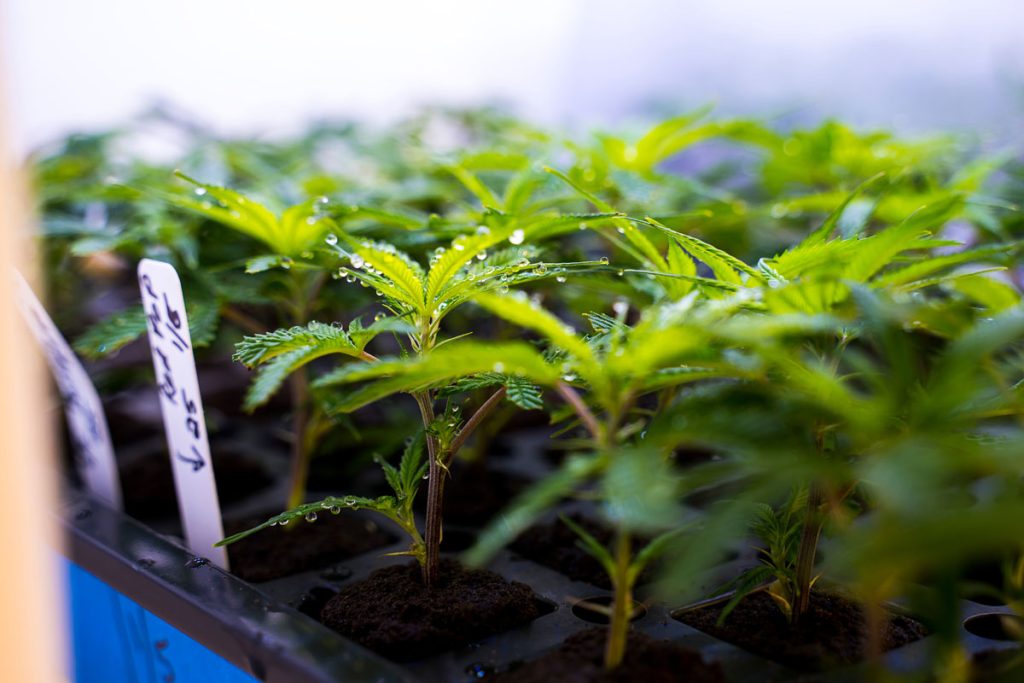
Cannabis clones are a great way to get a home grow started, without the stress of trying to successfully pop seeds. Clones require a careful hand with nutrition in order to set the foundation for young plants; too much, and the plant will whither, but too little, and it won’t thrive.
Green Meadows is a hub for Massachusetts cannabis growers. Great grows take great genetics and good guidance – and we’re here to help guide you every step of the way.
Understanding the Early Life of a Cannabis Clone
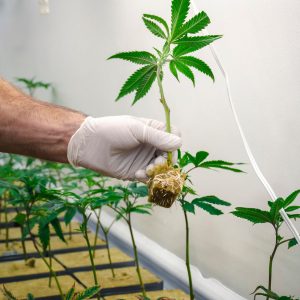
Cannabis clones come from a mother plant and must develop a root system in order to uptake nutrients and grow. This makes proper root development incredibly important for working with clones, which are also particularly sensitive to stress, changes, and nutrient imbalance.
It’s a fine line to walk, but there’s nothing more rewarding than standing on the other side of a cannabis harvest, with bags of fresh bud waiting for your enjoyment. Here’s how you can grow healthy cannabis clones to get there.
Massachusetts Home Grow Rules: What Clone Growers Should Know
Home growing is legal in Massachusetts for adults 21+, with limits of six plants per person and 12 per household. Only six plants may flower at once, and clones count toward the total. Plants must be grown out of public view in a locked or secured space.
Starting with clones offers a head start compared to seeds, which can be unpredictable and delicate early on. Clones typically perform best indoors, where conditions are easier to control, though outdoor growing is possible with careful planning and compliance.
Strong root development is essential for clone health. Because young clones absorb fewer nutrients, they require lighter feeding.
A balanced blend of macronutrients (nitrogen, phosphorus, potassium) and key micronutrients supports healthy growth. Balance matters more than concentration.
Key Nutrients Cannabis Clones Need
Cannabis clones rely on three primary nutrients — nitrogen (N), phosphorus (P), and potassium (K) — often delivered in an NPK blend. Growers can mix their own solution or use a pre-formulated product.
- Nitrogen (N): Supports early leaf and stem growth and chlorophyll production. Too much can cause nutrient burn.
- Phosphorus (P): Encourages root development and supports internal energy transfer.
- Potassium (K): Regulates water uptake, aids photosynthesis, and strengthens overall plant structure.
Important Micronutrients
Clones also need smaller amounts of key micronutrients:
- Calcium: Supports cell wall development and nutrient movement.
- Magnesium: Essential for chlorophyll production and energy processes.
- Iron: Assists in leaf development and growth.
- Zinc: Plays a role in growth regulation and chlorophyll production
Iron, Manganese, Copper, and Boron are also important micronutrients for clones. Small traces of nutrients make a big difference to clones. If you’re delivering the proper ratio of macronutrients and your cannabis clone is struggling to thrive, examine your micronutrients.
Feeding Cannabis Clones: Less Is More
Clones don’t need nutrients immediately. Feeding too early can cause stress while they establish roots. Wait about a week, then introduce a diluted nutrient solution at roughly ¼ strength once per week. Increase gradually as the plant develops, keeping ratios consistent. Overfeeding is common — early on, lighter feeding works best.
pH and Nutrient Uptake
Correct pH ensures proper nutrient absorption. Aim for 6.0–6.5 in soil and 5.8–6.2 in hydroponics. Since tap water can run high in pH, many growers use distilled or adjusted water to stay within range.
Signs of Nutrient Issues
Clones show imbalance through wilting, slow growth, yellowing or browning leaves, clawing, and weak stems. Overfeeding is often the cause. Nutrient burn can damage roots and limit water uptake. Adjust feeding quickly when stress appears.
Nutrient Delivery Methods
Match nutrients to your growing medium. Soil, coco coir, and hydro systems require different approaches. Hydro uses liquid nutrients, while soil may use liquid or amended mixes. Feed consistently and avoid watering immediately after feeding, as this can flush nutrients. Periodic flushing helps prevent buildup.
Common Mistakes to Avoid
- Feeding too early or too heavily: Young clones need light, gradual nutrition. Overfeeding is a common mistake.
- Using flowering nutrients too soon: Clones require vegetative-stage formulas, not blends designed for mature plants.
- Ignoring MA plant limits: Massachusetts allows six plants per person, 12 per household, with only six flowering at once.
- Overcrowding your grow space: Cannabis needs room to expand. Too many plants can limit growth and yield.
Growing Healthy Cannabis Clones the Right Way
With plant limits in place, every cannabis plant needs to count. Proper nutrition helps ensure your clones grow strong and productive, making the most of your home-grow space.
Even when starting with clones, growing cannabis takes patience, consistency, and attention to detail. Observing your plants and adjusting to their needs makes all the difference.
The more you learn and refine your approach, the stronger each harvest becomes.
Key Takeaways
- Massachusetts allows home growing with specific rules
- Yes, clones count toward plant limits (6 per-person, 12 per-house)
- Gentle nutrition is critical in early growth. A little goes a long way with early-stage clones.
- Healthy starts lead to stronger plants that can withstand stress and grow robust, resinous flowers.
FAQ
- Do cannabis clones count toward MA home grow limits?
Yes, cannabis clones count towards the 6-plant per person, 12-plant per household limit.
- How soon should clones be fed nutrients?
Clones do not need to be fed for the first 7 days of their life. After the first week, gentle, weekly feedings can begin. Feeding should scale up as the plant grows and enters the flowering stage.
- What’s the biggest nutrient mistake new growers make?
Overfeeding clones is one of the biggest mistakes new growers make. In their quest to give the clones everything they need, many people overdeliver nutrients, which can lead to nutrient burn and stunted growth.
- Where can I learn more about home grow rules in Massachusetts?
Green Meadows has educational resources on home grow and other cannabis laws in Massachusetts. Check out our resource section for more information, and join our Harvest Club to build a community of like-minded home growers.
Grow Smarter with Green Meadows — Premier MA Cannabis Dispensaries
Green Meadows is proud to be a hub and resource for Massachusetts home growers. Stop in any of our locations today to chat with our staff about growing cannabis from seeds or clones.
Ready to get your home grow started? Green Meadows offers clones every month!
- Southbridge on the 2nd Saturday of every month
- Marlborough on the 3rd Saturday of every month,
- Fitchburg on the 4th Saturday of every month
*The contents of this blog are intended for informational purposes only. Always seek the advice of a physician or other qualified healthcare provider with any questions you may have regarding a medical condition.*